An index fund may be the right choice for you, whether your investment career is just beginning or you are an experienced investor looking for the next step. Index funds offer exposure to a variety of investments including stocks, bonds and cash.
Index funds can diversify your portfolio and reduce the risk of large losses. They are a great way to invest because they tend to produce better annual returns. They aren't always the best option for everyone so make sure you do your research.
A mutual fund company or brokerage account is the best way to purchase index funds. Index funds for nearly any index can be found at most of the major brokers. You can also buy an index fund through an employer 401k plan or Roth IRA.
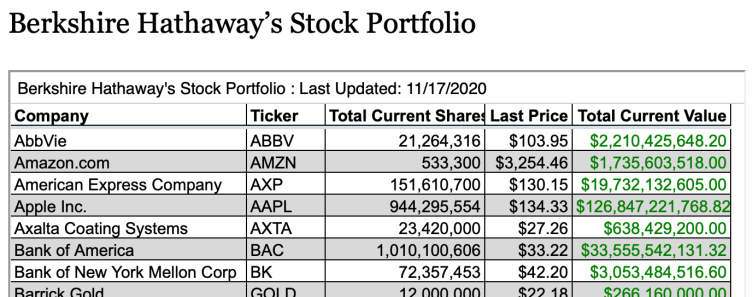
The first step in purchasing an index fund to purchase is to choose where to place your money. There are hundreds to choose from. They reflect different companies and sectors. Either you choose a broad market index such as S&P 500, but you also have the option to choose an index that focuses on a particular type of company like small cap or large cap.
It is important to look at the expense ratio when deciding between index funds. An expense ratio shows how much it costs for a fund to invest. A fund that has an expense ratio below 0.2% should be considered. For every $10,000 you invest, this will save you approximately $16 per annum.
When choosing an index fund, another important aspect to consider is the share price. You may be able buy fewer shares if the share price is lower than if it is higher. This will allow you to avoid having to pay more for selling and buying shares. The risk level of the fund should be considered. Index funds that include corporate bonds have a higher level of risk. They can also offer higher returns.
Before making an investment, you should read the fund's shareholder report to learn about the fund's holdings. It is important that you read the prospectus. The fund website should provide you with detailed information about the fund's holdings, sectors, and regions. This can help you decide whether it is the right fit for your portfolio.
The fees and trading costs for an index fund should be considered. These fees can quickly add up. An index fund should have low trading costs and an affordable expense ratio. It could be less successful than the index it tracks if the fund costs more. You might also need to pay special fees if you want to sell or buy shares.
It is simple and easy to buy an index fund. They can be purchased online via a brokerage account, or through a mutual funds company. Just make sure to do your research and choose an index fund that's right for you.
FAQ
How can I invest in stock market?
Through brokers, you can purchase or sell securities. Brokers buy and sell securities for you. You pay brokerage commissions when you trade securities.
Brokers often charge higher fees than banks. Banks will often offer higher rates, as they don’t make money selling securities.
To invest in stocks, an account must be opened at a bank/broker.
If you use a broker, he will tell you how much it costs to buy or sell securities. Based on the amount of each transaction, he will calculate this fee.
Your broker should be able to answer these questions:
-
the minimum amount that you must deposit to start trading
-
How much additional charges will apply if you close your account before the expiration date
-
what happens if you lose more than $5,000 in one day
-
how many days can you hold positions without paying taxes
-
whether you can borrow against your portfolio
-
Transfer funds between accounts
-
How long it takes transactions to settle
-
the best way to buy or sell securities
-
How to Avoid Fraud
-
How to get help when you need it
-
whether you can stop trading at any time
-
whether you have to report trades to the government
-
How often you will need to file reports at the SEC
-
Do you have to keep records about your transactions?
-
whether you are required to register with the SEC
-
What is registration?
-
How does it impact me?
-
Who needs to be registered?
-
When should I register?
Why are marketable Securities Important?
An investment company exists to generate income for investors. It does this by investing its assets in various types of financial instruments such as stocks, bonds, and other securities. These securities have attractive characteristics that investors will find appealing. They may be safe because they are backed with the full faith of the issuer.
The most important characteristic of any security is whether it is considered to be "marketable." This refers primarily to whether the security can be traded on a stock exchange. A broker charges a commission to purchase securities that are not marketable. Securities cannot be purchased and sold free of charge.
Marketable securities include common stocks, preferred stocks, common stock, convertible debentures and unit trusts.
These securities can be invested by investment firms because they are more profitable than those that they invest in equities or shares.
How are securities traded
The stock market is an exchange where investors buy shares of companies for money. Companies issue shares to raise capital by selling them to investors. Investors then sell these shares back to the company when they decide to profit from owning the company's assets.
Supply and demand determine the price stocks trade on open markets. The price of stocks goes up if there are less buyers than sellers. Conversely, if there are more sellers than buyers, prices will fall.
Stocks can be traded in two ways.
-
Directly from the company
-
Through a broker
What is a REIT?
A real estate investment trust (REIT) is an entity that owns income-producing properties such as apartment buildings, shopping centers, office buildings, hotels, industrial parks, etc. They are publicly traded companies which pay dividends to shareholders rather than corporate taxes.
They are very similar to corporations, except they own property and not produce goods.
What is security in the stock market?
Security is an asset that generates income. Shares in companies is the most common form of security.
A company may issue different types of securities such as bonds, preferred stocks, and common stocks.
The earnings per shares (EPS) or dividends paid by a company affect the value of a stock.
A share is a piece of the business that you own and you have a claim to future profits. If the company pays a payout, you get money from them.
Your shares can be sold at any time.
Can bonds be traded?
Yes they are. As shares, bonds can also be traded on exchanges. They have been for many, many years.
The difference between them is the fact that you cannot buy a bonds directly from the issuer. You will need to go through a broker to purchase them.
Because there are fewer intermediaries involved, it makes buying bonds much simpler. You will need to find someone to purchase your bond if you wish to sell it.
There are different types of bonds available. Different bonds pay different interest rates.
Some pay interest every quarter, while some pay it annually. These differences make it easy to compare bonds against each other.
Bonds are very useful when investing money. You would get 0.75% interest annually if you invested PS10,000 in savings. This amount would yield 12.5% annually if it were invested in a 10-year bond.
If you put all these investments into one portfolio, then your total return over ten-years would be higher using bond investment.
Statistics
- US resident who opens a new IBKR Pro individual or joint account receives a 0.25% rate reduction on margin loans. (nerdwallet.com)
- Our focus on Main Street investors reflects the fact that American households own $38 trillion worth of equities, more than 59 percent of the U.S. equity market either directly or indirectly through mutual funds, retirement accounts, and other investments. (sec.gov)
- Ratchet down that 10% if you don't yet have a healthy emergency fund and 10% to 15% of your income funneled into a retirement savings account. (nerdwallet.com)
- "If all of your money's in one stock, you could potentially lose 50% of it overnight," Moore says. (nerdwallet.com)
External Links
How To
How to make your trading plan
A trading plan helps you manage your money effectively. This allows you to see how much money you have and what your goals might be.
Before you start a trading strategy, think about what you are trying to accomplish. It may be to earn more, save money, or reduce your spending. You might want to invest your money in shares and bonds if it's saving you money. If you earn interest, you can put it in a savings account or get a house. And if you want to spend less, perhaps you'd like to go on holiday or buy yourself something nice.
Once you know your financial goals, you will need to figure out how much you can afford to start. It depends on where you live, and whether or not you have debts. It's also important to think about how much you make every week or month. Your income is the net amount of money you make after paying taxes.
Next, you will need to have enough money saved to pay for your expenses. These expenses include bills, rent and food as well as travel costs. Your total monthly expenses will include all of these.
You will need to calculate how much money you have left at the end each month. That's your net disposable income.
You now have all the information you need to make the most of your money.
To get started with a basic trading strategy, you can download one from the Internet. Ask someone with experience in investing for help.
Here's an example spreadsheet that you can open with Microsoft Excel.
This will show all of your income and expenses so far. It includes your current bank account balance and your investment portfolio.
Here's another example. This was created by a financial advisor.
It shows you how to calculate the amount of risk you can afford to take.
Do not try to predict the future. Instead, put your focus on the present and how you can use it wisely.